Every January starts the same way. Teams come back from the break with good intentions, big goals and a fresh calendar. By March, most of those intentions have quietly faded.
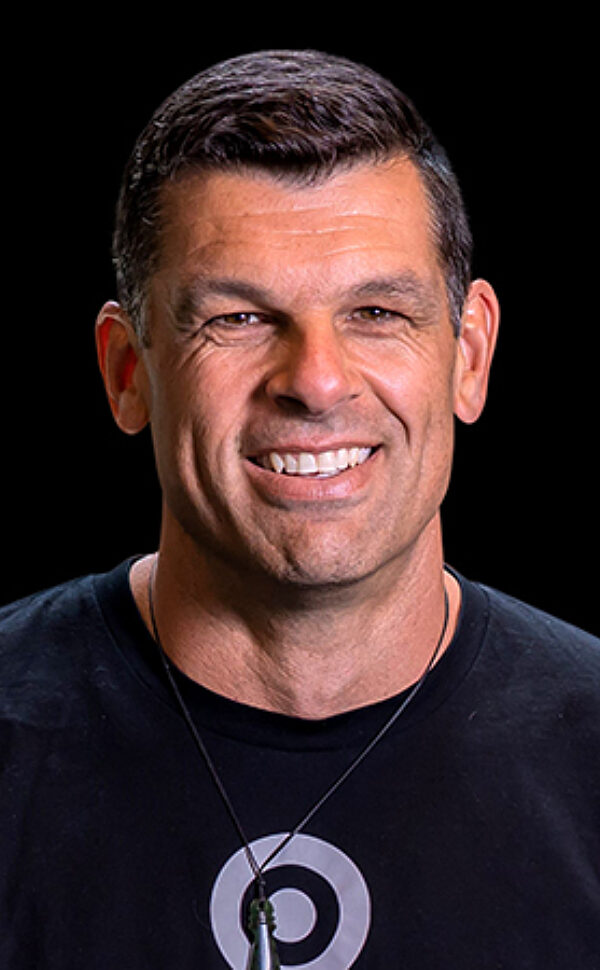
Ajmol Ali has spent more than 20 years researching why some changes stick and others don't. His own story started a long way from a lab: he was born on a mud floor in Bangladesh, then moved with his family to a small town near Cambridge, England, in the early 1980s, where he was the only non-white child in the local schools and spoke almost no English. Sport became his way to connect with people. Today he is a researcher in exercise science at Massey University, the co-founder of a wellness coaching company and a sought-after keynote speaker. He sat down with Madison Malone for Booked for a Reason to share a message that's especially useful at the start of a new year: getting better doesn't take a dramatic overhaul. It takes small steps, repeated.
Why do small habits work better than new year's resolutions?
Ajmol's answer is what he calls the 1% club: the idea that small, consistent changes compound into big outcomes. "To get to the end," he says, "we have to start with a single step." Anyone can do it.
His own mornings are proof. He exercises, practises mindfulness meditation, writes down what he's grateful for, journals and takes time for himself. None of it happened overnight. It built up over time.
Meditation is his favourite example. He used to be anxious, stressed and quick to anger, a habit he picked up from his dad, and he ground his teeth so hard he lost feeling in them. After practising meditation for a while, he noticed the anger had gone. Looking back, that old behaviour feels alien to him now. It all started with a single morning of meditation that grew into a habit.
What are the basics of wellbeing for a strong start to the year?
Ajmol's research focuses on promoting wellness to prevent illness and maintain performance. His message boils down to four things: eat well, move well, sleep well and think well. It sounds simple, and it is. The challenge is usually execution and mindset, not knowledge.
Sleep is a good example. Many people assume better sleep needs gadgets and trackers. Ajmol says the best time to prepare for sleep is when you wake up. Getting natural light and some exercise in the morning sets up your sleep cycle for the night ahead.
That's typical of his approach: small, practical steps that anyone can take, backed by science and told through stories people remember. "It is really easy," he says. "All you need to do is just engage with it."
How can teams make a kickstart last all year?
For organisations, Ajmol uses a simple framework he calls the PRE-check. It's a useful lens for any team kick-off or start-of-year planning day:
- Preparation: Make sure people have the information they need, in a form that's easy to understand. As the saying goes, proper preparation prevents poor performance.
- Ritual: Turn good practices into routines, the way brushing your teeth is part of every morning, whether at home or at work.
- Engagement: Shift the mindset. Ajmol's favourite example is driving his kids to netball or hockey. "I've got to take you" becomes "I get to take you". That small change in language reconnects people with their purpose.
Ask the three questions at your next kick-off. Are we preparing ourselves for success? Have we made the right behaviours a ritual? Are we engaged with why we're doing this? Get those right, and a January kickstart can build a wellbeing culture that lasts the whole year, at home and at work.
Should leaders focus on goals or habits this year?
Ajmol's view is clear: reward the process, not the outcome. The most common mistake he sees leaders make in the name of performance is focusing on results instead of how people get there.
He uses the same rule as a parent and a coach. When your child comes home from sport, don't ask the score. Ask how they played, whether it felt good, what they learned and whether they'll go back. Focus on the process and better outcomes tend to follow, in sport and in leadership.
He also reframes failure. To Ajmol, it's simply a "first attempt in learning". People who are curious, willing to share and willing to fail tend to get the most from his sessions. That matters for burnout too, which he sees as a real risk but not a personal failure. Systems, not individuals, usually let it take hold, so the start of the year is the right time to set healthier ones.
Book Ajmol Ali as your kickstart speaker
If someone leaves Ajmol's keynote and changes one thing, he hopes it's a shift from "I can't" to "I can", or at least "I can try". As he likes to say, the difference between try and triumph is a little oomph.
Ajmol is a natural fit for start-of-year kick-offs, SafeStart and wellbeing days, team planning sessions and leadership conferences. He brings a scientist's credibility and a storyteller's warmth, so the message lands with everyone from frontline teams to senior leaders, and it's still being talked about long after the event.
Watch Ajmol's full Booked for a Reason interview, or get in touch with the Celebrity Speakers team to plan your 2027 kick-off. You can also explore our kickstart speakers, wellbeing and mental health speakers, and the full roster of keynote speakers in New Zealand.
Frequently asked questions
How can I kickstart the new year well? Start small. Ajmol Ali recommends focusing on four basics (eat well, move well, sleep well and think well) and building them into daily rituals, aiming to be 1% better rather than transforming overnight.
What is the 1% club? It's Ajmol's name for the idea that small, consistent changes compound over time into significant results. Anyone can join by taking a single first step.
What is the PRE-check framework? A three-part approach for sustainable performance: Preparation (clear, easy-to-digest information), Ritual (turning good practices into routines) and Engagement (shifting from "I've got to" to "I get to").
What makes a good kickstart or kick-off speaker? Look for someone who combines credibility with practical, memorable takeaways that people can act on straight away, and who tailors their message to your team's goals for the year ahead.
Who is Ajmol Ali? Ajmol Ali is an exercise scientist with more than 20 years of research at Massey University, co-founder of a wellness coaching company and a keynote speaker on wellbeing, habits and sustainable performance. He is available to book through Celebrity Speakers New Zealand.